999 Peachtree Street N.E., Suite 715, Atlanta, GA 30309

Pay Online

(404) 876-7979

Smile Midtown
  • Meet Our Team
  • Services
    • General Dentistry
      • Dental Cleaning And Exams
      • Dental Sealants
      • Digital X-Rays
      • Family Dentistry
      • Oral Cancer Screening
      • Preventive Dentistry
    • Cosmetic Dentistry
      • Dental Crowns
      • Dental Veneers
      • Teeth Whitening
    • Restorative Dentistry
      • Dental Bridges
      • Dental Implants
      • Dentures
      • Invisalign
      • Night Guards
      • Periodontal Gum Disease
      • Single Tooth Implant
    • Emergency Dentistry
  • Stories
  • Blog
  • Contact
Book An Appointment
  • How Long Does It Take for Invisalign to Work?”

    How Long Does It Take for Invisalign to Work?”

    Are you wondering how long does it take for Invisalign to work? The duration varies depending on individual alignment needs and how consistently the aligners are worn. Generally, many people may start to see changes within a few months, with the complete process often taking up to a couple of years.

    Typical Duration of Invisalign Treatment
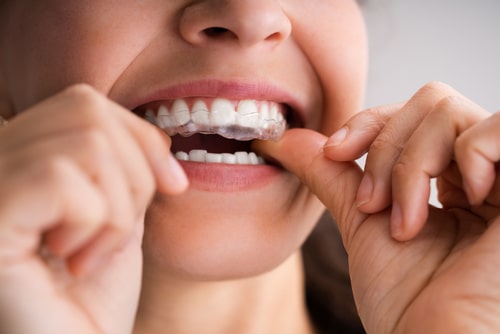
    how log does it take for Invisalign to work

    The duration of Invisalign treatment can vary widely depending on the individual’s dental alignment needs. Generally, the treatment period for Invisalign aligners ranges from 12 to 18 months, but it can be shorter or longer based on the complexity of the case. Each set of aligners is typically worn for about two weeks before moving on to the next set in the series, gradually shifting teeth into their desired positions. Understanding how long does it take for Invisalign to work can help set realistic expectations.

    For those considering different orthodontic options, it might be useful to compare the timelines associated with each. Understanding how Invisalign stacks up against traditional braces could influence your decision-making process. You can learn more about this by exploring Invisalign vs. Braces: Which Is Faster?, which provides insights into the efficiency of both treatments.

    Factors Influencing How Long Does It Take for Invisalign to Work
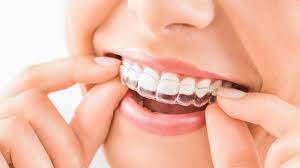
    how long does it take for Invisalign to workThe duration required for Invisalign to effectively align teeth can vary significantly from one individual to another. Several factors play a crucial role in determining the specific time frame for each case. One of the primary factors is the complexity of the dental issues being addressed. Simple cases, such as minor misalignments, typically require less time compared to more complex situations like severe overbites or underbites.

    Considering how long does it take for Invisalign to work involves understanding these complexities.

    Additionally, the biological response of each person’s teeth to the aligners can also influence the duration of the treatment. Age and adherence to the prescribed usage schedule of the aligners are other critical factors that can affect the overall effectiveness and speed of the treatment process. For more detailed information, consider consulting Invisalign Providers in Atlanta.

    Initial Changes with Invisalign Use

    When beginning the use of Invisalign, many individuals may start to notice some initial changes in the alignment of their teeth within the first few weeks. This early phase is crucial as it sets the foundation for more significant adjustments over time. The experience can vary widely from person to person, depending on several factors including the original positioning of the teeth and the specific alignment goals set for their dental structure.

    Knowing how long does it take for Invisalign to work can help in monitoring these early changes.

    Milestones in Invisalign Progression

    Understanding the milestones in Invisalign progression can help set realistic expectations for those considering this method for aligning their teeth. Generally, patients may start to notice some movement within the first few weeks of treatment.

    However, significant changes are typically observed around the two to three-month mark. As the months progress, each set of aligners subtly shifts the teeth, aiming for the desired alignment by the end of the treatment period, which can vary depending on individual cases. Regular check-ups are essential to monitor progress and ensure the aligners are performing as expected.

    For those in Atlanta seeking professional dental care, consider visiting Midtown Dental: Esthetic, Restorative, & Implant Dentistry, your trusted Atlanta Dentist. Understanding how long does it take for Invisalign to work can help set these expectations.

    Completion: Recognizing Final Alignment

    The duration required to achieve final alignment varies widely depending on individual circumstances. Generally, the process involves gradual adjustments over time, which systematically move the teeth into their desired position.

    As these adjustments take place, it’s essential to monitor progress to recognize when the final alignment has been achieved. This stage is marked by the teeth attaining their optimal placement and fulfilling the initial assessment’s objectives. Knowing how long does it take for Invisalign to work helps in recognizing these milestones.

    Conclusion

    For further inquiries, feel free to call us at 404-876-7979 or read our reviews on Google Maps. Understanding how long does it take for Invisalign to work can enhance your appreciation of this innovative treatment option.

    Kickstart

    May 7, 2024
  • Invisalign vs. Braces: Which Is Faster?

    Invisalign vs. Braces: Which Is Faster?

    Are you wondering whether Invisalign or braces might lead to a quicker smile transformation? The duration of treatment can vary widely depending on individual dental needs and the case’s complexity. Generally, some people may find that one method achieves their desired results faster than the other, but this can differ from person to person.

    Comparing Average Treatment Times: Invisalign vs. Braces

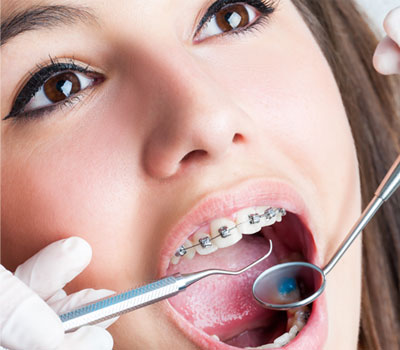
    Invisalign vs. bracesWhen considering orthodontic treatments, the duration of the process is a significant factor for many people. Generally, Invisalign aligners tend to have a shorter treatment period than traditional braces. On average, Invisalign users might see results within 12 to 18 months, though this can vary based on individual cases. In contrast, traditional braces are often worn for about two years, but the exact time can differ depending on the complexity of the dental alignment needed.
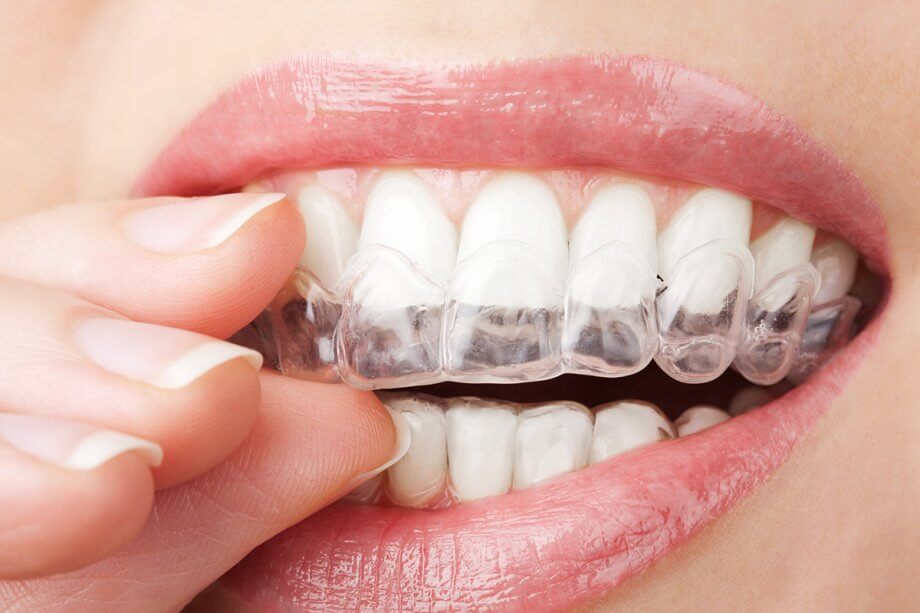
    Maintaining the effectiveness of each treatment type involves different care routines. For instance, while using Invisalign, adhering to proper maintenance of the trays is crucial. Learning How to Clean Invisalign Trays? It can be beneficial in ensuring the treatment remains effective throughout its course. On the other hand, braces require regular adjustments and can demand more in-office visits, which might extend the overall duration of the treatment process.

    Factors Influencing Speed of Results: Invisalign vs. Braces

    The duration it takes to see results from different dental alignment methods can vary widely depending on several factors. One primary factor is the complexity of the dental issues being addressed. Simple cases with minor misalignments often require less time than more complex situations involving significant bite or alignment corrections. Another crucial element is the biological response of the individual’s teeth and gums to the treatment, which can differ significantly from person to person.

    Age also plays a significant role in how quickly one might see results. Younger individuals typically experience faster tooth movement due to softer bone structures, which can accelerate the process. However, each case is unique, and the specific circumstances can influence the overall timeline of the treatment. For those considering their options in Atlanta, visiting Atlanta’s Top Invisalign Specialists could provide further insights into what might be expected in individual cases.

    Suitability for Different Dental Issues: Invisalign vs. Braces

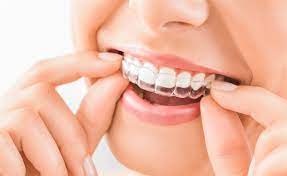
    invisalign 3The nature and complexity of the dental issues present play a crucial role when considering the duration of treatment for dental alignment. Various alignment methods are designed to address specific dental misalignments and severities. Some methods might be more effective for simple adjustments, such as minor crowding or spacing issues, while others could be better suited for more complex bite corrections and larger tooth movements. The effectiveness and speed of treatment can significantly depend on how well the chosen method matches the specific dental conditions being addressed.
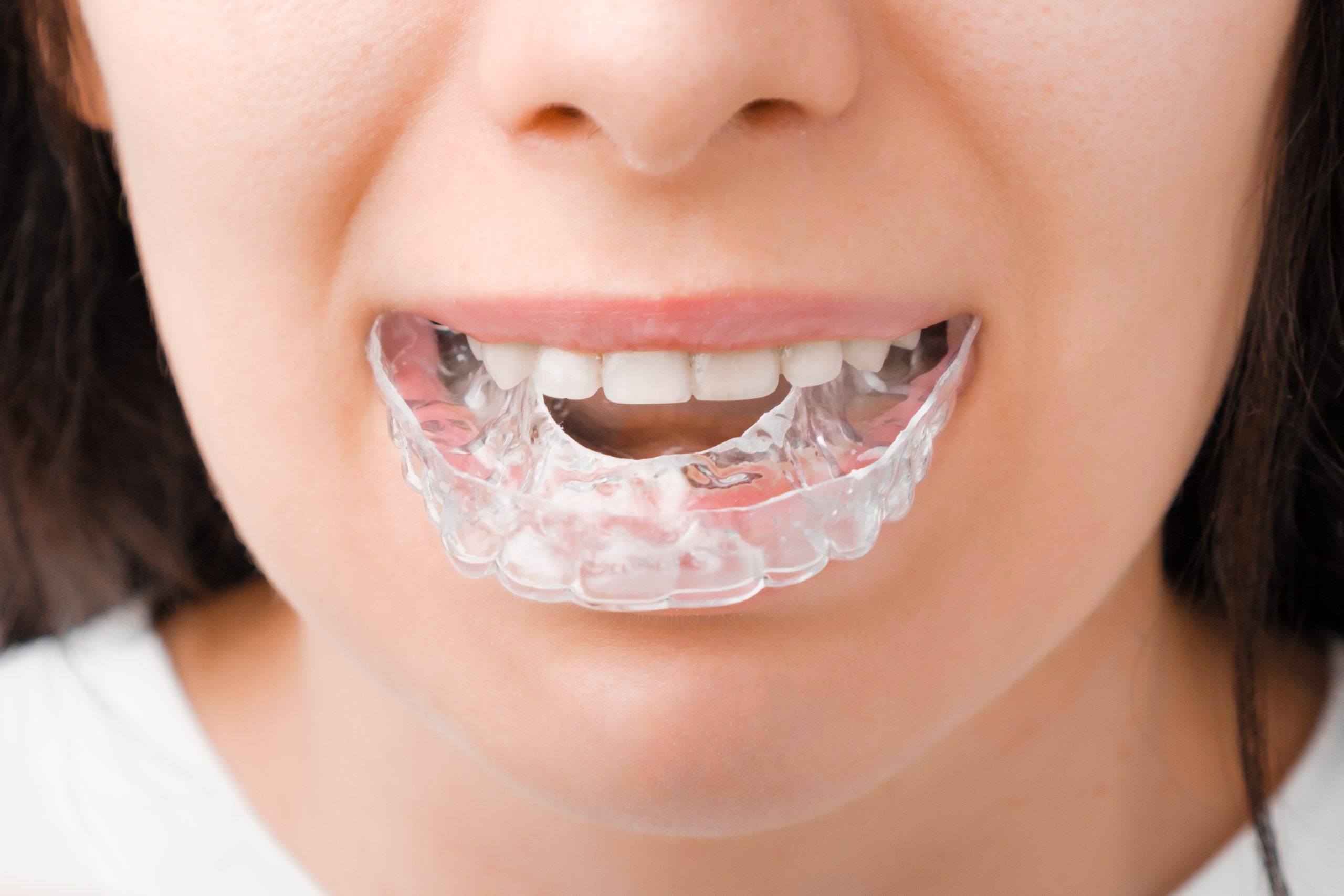

    Impact on Daily Lifestyle: Invisalign vs. Braces

    Choosing between Invisalign and traditional braces can significantly affect your daily lifestyle. The decision may influence your daily activities, from dietary choices to social interactions and oral hygiene routines. Each option requires a different approach to handling these aspects of life, which could sway your preference based on your personal needs and lifestyle compatibility. For those exploring dental solutions in the area, consider visiting Midtown Dental: Esthetic, Restorative, & Implant Dentistry, your Atlanta Dentist, for professional guidance.

    Maintenance and Follow-up Requirements: Invisalign vs. Braces

    When considering different dental alignment treatments, it’s important to understand the maintenance and follow-up requirements associated with each option. Regular appointments are typically necessary to monitor progress and make adjustments as needed. The maintenance routine may vary, often involving the care of the apparatus itself to ensure effectiveness and hygiene. Each treatment type has its own schedule for follow-up visits, which are crucial to achieving the desired results while maintaining oral health.

    Conclusion

    For further inquiries, please call us at 404-876-7979 or read our reviews on Google Maps.

    Kickstart

    May 7, 2024
  • How to Clean Invisalign Trays?

    How to Clean Invisalign Trays?

    Are you wondering how to keep your Invisalign trays clean? Maintaining the cleanliness of Invisalign trays involves regular care to ensure they remain clear and hygienic. Proper cleaning helps in preserving their quality and effectiveness throughout the treatment period.

    Importance of Regular Invisalign Cleaning

    Maintaining the cleanliness of Invisalign trays is crucial for several reasons. Primarily, it ensures that the trays remain transparent and virtually invisible, which is one of the key aesthetic benefits of choosing Invisalign over traditional braces. Regular cleaning also helps in maintaining oral hygiene by preventing the buildup of bacteria and plaque, which can lead to dental issues such as cavities and gum disease.

    Furthermore, clean Invisalign trays contribute to the overall effectiveness of the orthodontic treatment. When trays are not properly maintained, they can harbor bacteria that may cause infections and odors, potentially affecting how the trays fit and function. Understanding the mechanics of how these aligners work, as explained in How Does Invisalign Move Teeth?, highlights why keeping them clean is integral to ensuring they can perform their intended task efficiently.

    Basic Cleaning Frequency for Invisalign

    Maintaining the cleanliness of Invisalign trays is crucial for their effectiveness and longevity. Generally, it is considered good practice to clean the trays each time they are removed, such as before and after meals and at least twice daily. This routine helps in keeping the trays clear and free from harmful buildup. Regular cleaning not only preserves the appearance of Invisalign trays but also supports overall dental hygiene.

    Ensuring that your Invisalign trays are cared for properly is an integral part of the treatment process. For those considering this orthodontic solution, maintaining a consistent cleaning schedule is essential. If you’re looking to start your journey with these aligners, consider visiting Get Invisalign in Atlanta Today for more information.

    Understanding Invisalign Material Sensitivity

    nvisalign trays are crafted from a special thermoplastic material uniquely designed for the Invisalign system, differing significantly from traditional metal braces. This material is notably sensitive to various environmental factors, including temperature fluctuations and exposure to certain chemicals, which can impact its structural integrity and precise fit. It’s essential to grasp the properties of this thermoplastic to ensure the trays maintain their effectiveness throughout the treatment period. Proper care and handling, avoiding extreme temperatures and harsh chemicals, are vital to preserving the shape and function of these orthodontic devices, contributing to a successful treatment outcome.

    Consequences of Poor Invisalign Hygiene

    Neglecting the cleanliness of your Invisalign trays can lead to significant dental health issues. Improper maintenance allows bacteria and plaque to build up, potentially causing bad breath, gum disease, and tooth decay. This accumulation creates an environment conducive to the discoloration of both the trays and your teeth. To prevent these issues, it is crucial to maintain excellent oral hygiene. Regular cleaning of the trays, along with routine brushing and flossing of your teeth, is essential for the effectiveness of your Invisalign treatment and for maintaining overall dental health. For those seeking professional dental care, consider visiting Midtown Dental: Esthetic, Restorative, & Implant Dentistry, a trusted Atlanta Dentist.

    General Handling of Invisalign Trays

    Invisalign trays are designed to be a less visible and more flexible solution for aligning teeth. Understanding the general handling of these trays involves recognizing their purpose in orthodontic care and how they fit into daily routines. These aligners are custom-made to fit the unique dental structure of each individual, which necessitates careful handling to maintain their structure and effectiveness throughout the treatment period. Proper handling is crucial to ensure they perform as intended.

    Conclusion

    For further inquiries, feel free to call us at 404-876-7979 or read our reviews on Google Maps.

    Kickstart

    May 7, 2024
  • How Does Invisalign Move Teeth?

    How Does Invisalign Move Teeth?

    Have you ever wondered how clear aligners work to straighten teeth? These aligners apply gentle pressure to teeth, gradually shifting them into the desired position over time. Each set of aligners is slightly different, progressively moving the teeth toward their final alignment. How Does Invisalign Move Teeth? This question highlights the innovative approach behind these aligners.

    How Does Invisalign Move Teeth: Basics of Invisalign Technology

    How does Invisalign move teethClear aligner technology, such as Invisalign, utilizes a series of custom-made, transparent plastic trays to gradually shift teeth into their desired positions. How Does Invisalign Move Teeth? Each aligner is slightly different, applying pressure to specific teeth, which encourages them to move over time. This method provides an aesthetic and less noticeable alternative to traditional metal braces. The aligners are designed based on detailed 3D scans of the individual’s mouth, ensuring a tailored treatment plan that addresses unique dental needs.

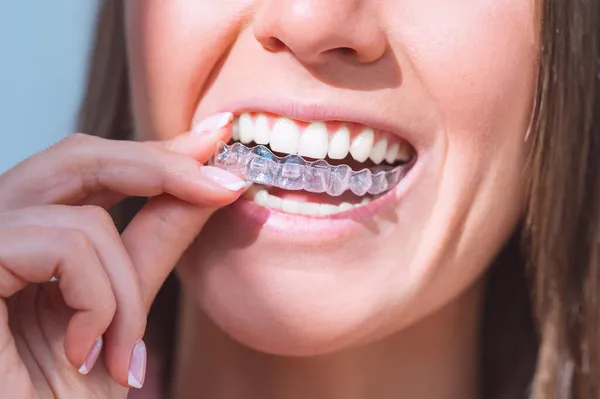
    The duration of treatment with clear aligners can vary depending on the complexity of the dental issues being corrected. How Does Invisalign Move Teeth? Typically, each set of aligners is worn for about two weeks before moving on to the next in the series, slowly guiding the teeth towards their final alignment. For more detailed information on treatment timelines, you might find it helpful to read about How Long Does Invisalign Take to Work?. This process not only helps in achieving a better smile but also plays a crucial role in improving overall dental health.

    How Does Invisalign Move Teeth: Stages of Teeth Movement

    The process of teeth movement with clear aligners involves several stages, each critical to achieving the desired alignment. How Does Invisalign Move Teeth? Initially, a detailed plan is created based on the current position of the teeth and the final desired outcome. This plan is then broken down into stages, where each stage represents a slight shift from the previous tooth position. Typically, each set of aligners is worn for about two weeks before moving on to the next set in the series, gradually shifting the teeth towards their new positions.

    Throughout these stages, the pressure applied by each aligner is meticulously calculated to ensure that the movement of the teeth is both gentle and effective. How Does Invisalign Move Teeth? The sequence of aligners ensures that only certain teeth are moved at each stage, which helps in managing the pressure distribution and minimizing discomfort. For those looking for more information on clear aligners, exploring Affordable Invisalign Options in Atlanta might provide additional insights into the process.

    How Does Invisalign Move Teeth: Role of Customized Treatment Plans

    Customized treatment plans are fundamental in the process of adjusting teeth alignment. How Does Invisalign Move Teeth? Each individual’s dental structure is unique, and thus, a tailored approach is essential for effective results. These plans are developed after a thorough assessment of the patient’s current dental positioning, which involves detailed imaging and mapping. By analyzing this data, dental professionals can design a sequence of adjustments that specifically target the misalignments in a progressive and controlled manner. This personalized strategy ensures that each phase of the adjustment is optimized to the individual’s specific dental needs, leading to more precise and satisfactory outcomes in teeth alignment.

    How Does Invisalign Move Teeth: Monitoring Progress with Aligners

    Monitoring the progress of teeth alignment is a crucial aspect of any orthodontic treatment. How Does Invisalign Move Teeth? As teeth gradually shift to their desired positions, it’s important to ensure that everything is moving according to plan. Regular check-ups are typically scheduled to assess this progress and make any necessary adjustments to the aligners. These appointments provide an opportunity to track the effectiveness of the treatment and ensure that the teeth are moving safely and effectively towards their intended alignment. For those in Atlanta seeking professional dental care, consider visiting Midtown Dental: Esthetic, Restorative, & Implant Dentistry, your trusted Atlanta Dentist.

    How Does Invisalign Move Teeth: Adjustments During Treatment Process

    Throughout the treatment process, periodic adjustments are essential to ensure the desired alignment of teeth is achieved effectively. How Does Invisalign Move Teeth? These adjustments generally involve changing aligners at regular intervals, as each set is meticulously designed to make incremental movements of the teeth. This phased approach allows for controlled and gradual repositioning, ensuring that each stage of the process contributes towards the final goal of improved dental alignment. Regular consultations are typically scheduled to monitor progress and make any necessary modifications to the treatment plan.

    Conclusion

    For further inquiries, feel free to call us at 404-876-7979 or read our reviews on Google Maps.

    Kickstart

    May 7, 2024
  • How Long Does Invisalign Take to Work?

    How Long Does Invisalign Take to Work?

    Wondering how long Invisalign takes to work? The duration varies depending on individual alignment needs and how consistently the aligners are worn. Generally, some may notice changes within a few months, while others might need a longer period to see significant adjustments. Understanding how long does Invisalign take to work is key to setting realistic expectations.

    Factors Influencing How Long Does Invisalign Take to Work

    The duration of Invisalign treatment can vary widely depending on several individual factors. One primary factor influencing how long does Invisalign take to work is the complexity of the dental issues being addressed. Simple cases, such as minor crowding or spacing issues, may require less time compared to more complex situations like severe misalignment or bite corrections. Each person’s teeth move at a different rate, which also influences how long Invisalign takes to work.

    Another significant factor is the patient’s adherence to the prescribed wear schedule. Invisalign aligners are typically recommended to be worn for 22 hours a day. Deviating from this schedule can extend the treatment period and affect how long does Invisalign take to work. For more detailed insights, you might want to explore How Long Do You Have to Wear Invisalign?, which discusses the general timelines associated with wearing these aligners based on various dental scenarios.

    Average Timeline for Visible Results

    How Long Does Invisalign Take to WorkThe duration it takes for Invisalign to show visible results can vary widely depending on individual factors such as the complexity of the dental alignment issues being addressed and how long does Invisalign take to work. Generally, some patients may start to see noticeable improvements in their teeth alignment within just a few weeks of starting treatment. However, for most individuals, significant changes are typically observed after several months of consistent use.

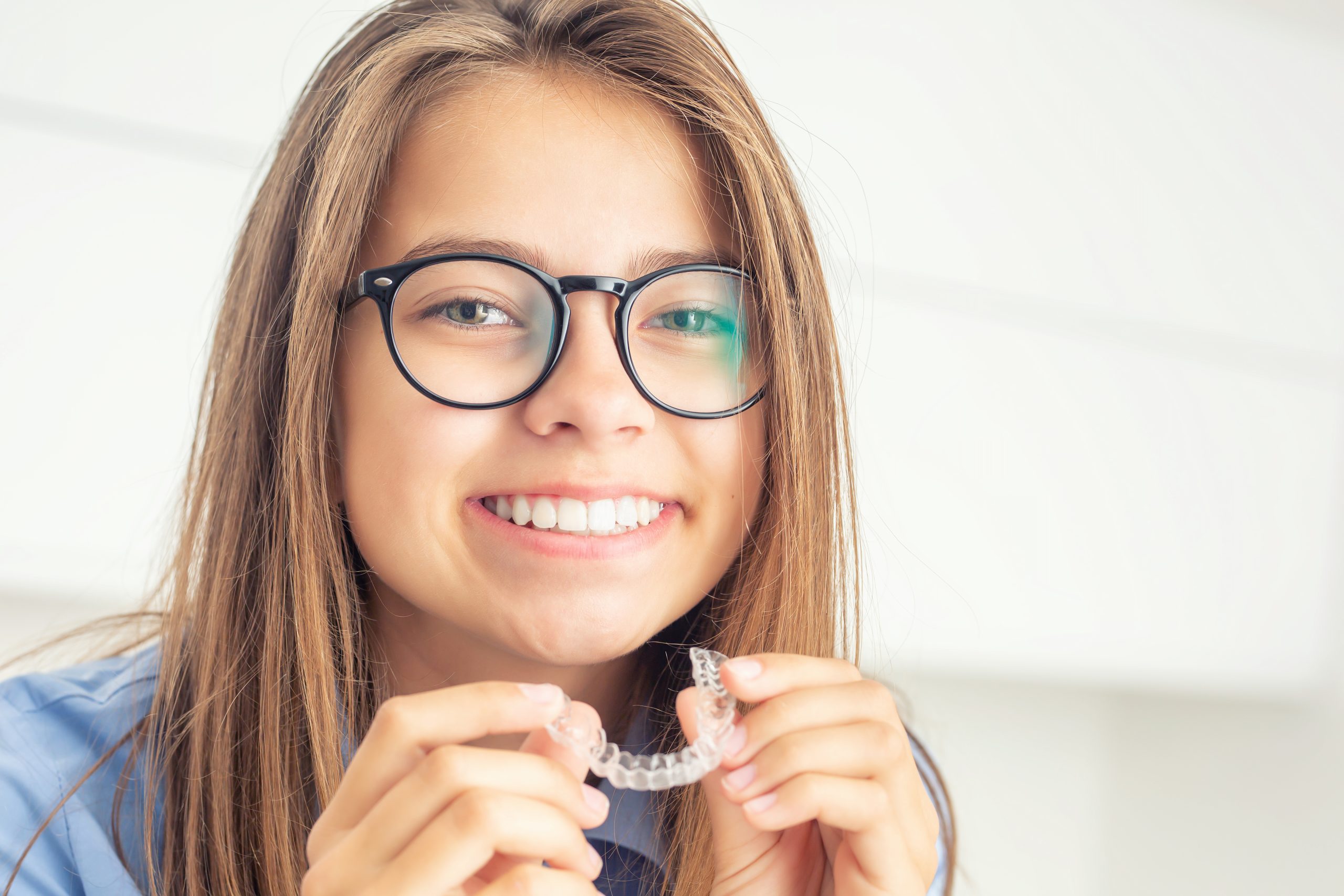
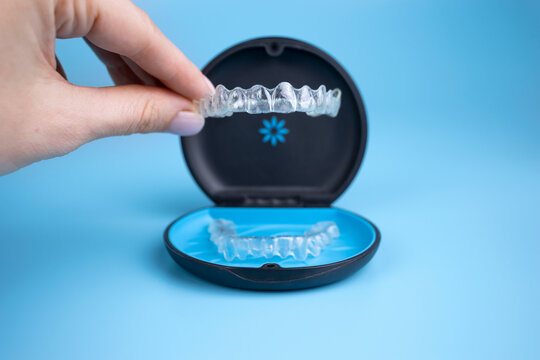
    The overall treatment time can extend from a few months to over a year. The specific timeline for each person will depend on various factors, including the initial condition of their teeth and how well they adhere to the guidelines for wearing the aligners. For those interested in exploring more about this option, Explore Invisalign Services in Atlanta.

    Comparing Duration with Traditional Methods

    When considering different methods for aligning teeth, the duration of treatment can vary significantly between options, including how long does Invisalign take to work. Traditional braces, often used for comprehensive alignment, typically require a longer period to achieve desired results compared to newer technologies.

    These modern approaches, which involve clear aligners, generally promise a shorter treatment timeline, appealing to those looking for a less conspicuous and potentially quicker solution. Each method’s effectiveness and duration will depend on individual cases and the complexity of dental alignment needed, affecting how long does Invisalign take to work. Understanding these differences helps in knowing how long Invisalign takes to work compared to other methods.

    Role of Compliance in Invisalign Effectiveness

    The duration of Invisalign treatment can vary widely among individuals, largely depending on how consistently they follow their prescribed treatment plan, influencing how long does Invisalign take to work. Adherence to wearing the aligners for the recommended number of hours each day plays a crucial role in achieving the desired results within the expected timeframe. Factors such as maintaining regular check-ups and promptly transitioning to new aligners as directed also significantly impact how long does Invisalign take to work. Individual biological responses to the aligners can also alter the timeline, as each person’s teeth move at a different rate.

    Environmental factors, such as exposure to extreme temperatures, can affect the aligners’ fit and function, requiring adjustments to the treatment plan.Furthermore, the complexity of the dental issues being corrected, such as the degree of teeth misalignment or the presence of gaps, can extend the treatment duration. Patient cooperation in avoiding foods and activities that may damage the aligners is also essential. Effective communication between the patient and the orthodontist throughout the process ensures that any adjustments needed are made promptly, thereby optimizing treatment outcomes.

    In summary, while the average duration might be projected, personal habits, biological factors, and the specific orthodontic needs of the individual play substantial roles in determining how long Invisalign takes to work. For those seeking further information, Midtown Dental: Esthetic, Restorative, & Implant Dentistry is a notable Atlanta Dentist known for their expertise in this area.


    invislign 6

    Impact of Initial Dental Condition

    The duration required for orthodontic treatments can vary significantly depending on the initial dental condition of the individual, which also affects how long does Invisalign take to work. Factors such as the degree of misalignment, the density of the bone, and the overall oral health status play crucial roles in determining how long Invisalign takes to work. Generally, more complex or severe dental issues may require a longer period to address, as gradual and steady movement is essential to ensure the health and safety of both teeth and gums throughout the process.

    Conclusion

    In summary, the duration of Invisalign treatment varies based on individual dental needs and adherence to the prescribed wear schedule, which directly influences how long does Invisalign take to work. While some may begin to see results within a few weeks, others might take several months to notice significant changes. Factors such as the complexity of dental issues, patient compliance, and initial dental conditions all play crucial roles in determining how long does Invisalign take to work. For the best results, following the guidelines provided by your orthodontist and maintaining regular check-ups is essential. For further inquiries, please call us at 404-876-7979 or read our reviews on Google Maps.

    Kickstart

    May 7, 2024
  • How Long Do You Have to Wear Invisalign

    How Long Do You Have to Wear Invisalign

    Are you wondering how long do you have to wear Invisalign? The duration varies depending on individual alignment needs and the complexity of the dental issues being addressed. Generally, treatment can last anywhere from a few months to a couple of years. Understanding how long do you have to wear Invisalign is crucial for setting realistic expectations.

    How Long Do You Have to Wear Invisalign
    How Long Do You Have to Wear Invisalign?

    Factors Influencing How Long Do You Have to Wear Invisalign: Treatment Duration

    The duration of Invisalign treatment can vary significantly from one individual to another, influenced by several key factors. One primary factor influencing how long do you have to wear Invisalign is the complexity of the dental issues being addressed. Simple cases, such as minor crowding or spacing issues, may require a shorter treatment period, while more complex situations like severe misalignment or bite corrections can extend the duration significantly.

    Another important consideration is the patient’s adherence to the prescribed treatment regimen. Invisalign aligners are designed to be worn for a recommended 20 to 22 hours per day. Deviating from this schedule can prolong the treatment process and affect how long you have to wear Invisalign. Additionally, the history and evolution of Invisalign technology, which you can learn more about by exploring When Was Invisalign Invented?, also plays a role in how effectively and efficiently the treatment plans can be executed today.


    Clear Aligners at Smile MidtownAverage Duration for Adults and Teens

    The duration of wearing Invisalign can vary widely depending on the individual’s dental alignment needs and how long do you have to wear Invisalign. Generally, adults might expect to wear Invisalign aligners for about 12 to 18 months, though this timeframe can extend longer depending on the complexity of the dental adjustments required. For teenagers, the period can be somewhat similar, but it greatly depends on how their teeth respond to the treatment and how diligently they follow wearing protocols.

    Each case is unique, and a dental professional can only accurately determine the exact duration after a thorough examination. For those seeking further information on how long do you have to wear Invisalign, consider consulting with Invisalign Treatment Experts Atlanta to understand how this option might meet your specific needs.

    Role of Compliance in Treatment Length

    The duration of any orthodontic treatment, including how long do you have to wear Invisalign, is significantly influenced by how well the individual adheres to the prescribed regimen. Consistent use as directed plays a crucial role in achieving the desired results within the expected timeframe. Variations in adherence can lead to extended treatment periods or adjustments in the overall treatment plan. Therefore, understanding the importance of compliance is essential for anyone considering or currently undergoing such treatments.

    Patients should also be aware that effective communication with their orthodontist about any issues or concerns during the treatment process is vital for maintaining progress and ensuring that the treatment objectives are met efficiently and effectively. This proactive approach can help avoid unnecessary delays and complications, enhancing the likelihood of a successful treatment outcome.

    Impact of Initial Dental Alignment

    The duration of Invisalign treatment can be influenced by the initial alignment of teeth. Generally, more complex or severe misalignments require longer treatment times than minor alignment issues. Each individual’s dental structure is unique; thus, the starting point of dental alignment plays a crucial role in determining the overall treatment plan and its duration.

    For those seeking further information on how long do you have to wear Invisalign and dental health, consider visiting Midtown Dental: Esthetic, Restorative, & Implant Dentistry, your Atlanta Dentist.

    Variability in Individual Treatment Plans

    The duration required to wear clear aligners can significantly vary from one individual to another, influenced by the complexity and specific needs of each person’s dental alignment issues, which affects how long do you have to wear Invisalign. Each treatment plan is tailored to address unique dental goals, which means that the time frame for wearing these aligners can differ based on the extent of adjustment needed to achieve the desired alignment. As such, the overall treatment period can range widely, reflecting the personalized approach taken in orthodontic treatments to cater to individual conditions and expected outcomes.

    Conclusion

    Understanding how long do you have to wear Invisalign is essential for achieving the best results. The duration of Invisalign treatment varies based on individual dental needs and adherence to the prescribed wear schedule. For further inquiries, feel free to call us at 404-876-7979 or read our reviews on Google Maps.
    “`

    Kickstart

    May 7, 2024
  • When Was Invisalign Invented?

    When Was Invisalign Invented?

    Have you ever wondered when was Invisalign Invented? This innovative approach to straightening teeth was developed in 1997 by two Stanford University students. Their creation provided a transparent, plastic alternative to traditional metal braces, revolutionizing orthodontic treatment options.

    When Was Invisalign Invented and Treatment Planning

    Invisalign aligners displayed at Midtown Dental: Esthetic, Restorative, & Implant Dentistry in Atlanta, GA, specializing in esthetic, restorative, and implant dentistry.

    The journey to a straighter smile with Invisalign begins with an initial consultation. During this stage, your orthodontist assesses your dental structure and discusses your aesthetic goals.

    This stage is crucial as it helps customize the treatment to fit your needs.

    Digital scans of your teeth are taken during this consultation, which are then used to create a 3D model. This model is essential for developing a precise treatment plan that outlines the step-by-step transformation of your smile.

    It’s also a perfect time to ask questions about the treatment, including practical concerns like What Can I Drink with Invisalign? and When was Invisalign invented?

    Following the consultation, the treatment planning phase begins. This is where the magic happens; using the 3D model, your orthodontist will plan the exact movements of your teeth throughout the course of treatment. Each set of custom-made aligners is designed to slightly adjust tooth position, gradually moving teeth into the desired alignment.

    This planning is pivotal for achieving the best results and predicting the length of your treatment. With a clear roadmap established, you can embark on your Invisalign journey with confidence, knowing that each step contributes to achieving your perfect smile.

    Factors Influencing Treatment Duration

    when was Invisalign invented

    The duration of wearing Invisalign can vary significantly from one individual to another. Several factors play a crucial role in determining the length of treatment. Primarily, the complexity of the dental issues being addressed influences the timeline. Considering when was Invisalign invented helps appreciate its efficacy in diverse cases.

    Simple cases, such as minor misalignments, typically require less time compared to more complex situations like severe overbites or underbites. Additionally, the biological response of each person’s teeth to orthodontic treatment can also affect the duration.

    Another key factor is adhering to the prescribed usage schedule. Invisalign aligners are designed to be worn for a specific number of hours each day, and deviations from this schedule can extend the treatment period.

    Age may also influence how quickly one’s teeth can be realigned, with younger patients often experiencing faster results due to more pliable jawbones and teeth. For those considering their options in Atlanta, you might want to explore Perfect Your Smile in Atlanta.

    Average Wear Time Per Day of Invisalign

    The average wear time per day for clear aligners generally spans around 20 to 22 hours. This duration is essential to ensure the aligners effectively adjust the positioning of the teeth over time. The commitment to wearing them almost full-time, except during meals or when drinking anything other than water, plays a crucial role in achieving the desired results within the projected timeline.

    Remembering when was Invisalign invented highlights the dedication required for successful outcomes.

    Importance of Follow-Up Appointments

    Regular follow-up appointments are crucial for monitoring progress and ensuring the overall success of dental treatments. These appointments allow dental professionals to assess the health of the teeth and gums, make any necessary adjustments, and address any concerns that may arise during the course of treatment.

    Maintaining scheduled visits helps monitor the treatment’s effectiveness and ensures that any needed adjustments are made in a timely manner.

    For those seeking dental services, consider visiting Midtown Dental: Esthetic, Restorative, & Implant Dentistry, your Atlanta Dentist committed to professional care. Reflect on when was Invisalign invented to understand the continuous improvements in dental technology.

    Handling Extended or Reduced Wear Times

    When considering the duration for which aligners are worn daily, it’s important to recognize that individual circumstances can vary widely. Factors such as specific alignment needs and personal schedules can influence how long aligners must be worn daily. Understanding these variations is crucial in acknowledging how flexible or strict one might need to be with their wear times.

    Awareness of how these differences in wear times can impact the overall teeth alignment process is essential, and thinking about when was Invisalign invented can provide perspective on the treatment’s adaptability.

    Conclusion

    For further inquiries, please call us at 404-876-7979 or read reviews on Google Maps.

    Kickstart

    May 7, 2024
  • What Can I Drink with Invisalign?

    What Can I Drink with Invisalign?

    Are you wondering what can I drink with Invisalign clear aligners? It’s important to consider how different beverages affect your aligners and oral hygiene. Generally, sticking to clear liquids that are not sugary or colored can help maintain the integrity and cleanliness of your aligners.

    What can I drink with Invisalign clear aligners.What Can I Drink with Invisalign: Consultation Treatment Planning

    When considering Invisalign as an orthodontic treatment option, the process typically begins with an initial consultation and treatment planning. During this phase, a dental professional assesses the patient’s oral health and discusses their goals for teeth alignment.

    This step is crucial as it helps determine the suitability of Invisalign for the individual’s specific needs and outlines the expected timeline and treatment process.

    Patients often ask what can drink with Invisalign during this consultation to ensure they follow best practices throughout their treatment.

    Factors Influencing Treatment Duration

    The duration of treatment with Invisalign can vary widely among individuals. Several factors play a crucial role in determining the length of time you will need to wear your aligners.

    One of the primary factors is the complexity of the dental issues being corrected. Simple adjustments, such as minor crowding or spacing issues, typically require less time than complex bite adjustments or severe misalignments.

    Additionally, the biological response of each individual’s teeth to the aligners can influence treatment time. Understanding what can I drink with Invisalign can also help patients maintain their aligners and stay on track with their treatment plans.

    Daily Wear Time Recommendations

    When considering what can I drink with Invisalign, it’s important to know the daily wear time recommendations for maintaining the effectiveness of such orthodontic devices.

    Adherence to these guidelines is crucial for achieving the desired results within the expected timeframe. Being mindful of the beverages you consume, like sticking to water or clear liquids, can help ensure that your aligners remain in good condition and that your treatment progresses as planned.

    Invisalign aligners displayed at Midtown Dental: Esthetic, Restorative, & Implant Dentistry in Atlanta, GA, specializing in esthetic, restorative, and implant dentistryProgress Monitoring and Adjustments

    While aligning your teeth with Invisalign, monitoring the progress and making necessary adjustments is essential. Regular check-ups are crucial to ensure that the aligners fit well and effectively move your teeth toward their desired positions. These adjustments are a normal part of the process, ensuring that each phase of the treatment is working as intended and making any modifications if needed.

    During these visits, patients can also ask their dentist what can I drink with Invisalign to avoid any issues that might arise from consuming certain beverages.

    Variability in Individual Treatment Plans

    Each Invisalign treatment plan is tailored to meet the individual’s unique needs, which means the duration can vary significantly from one person to another. Factors such as the complexity of the dental issues being corrected, the amount of alignment necessary, and how well patients adhere to wearing their aligners can all influence the length of time required for treatment.

    While some might see desired results in as little as six months, others may need to wear their aligners for up to 18 months or longer. Knowing what can I drink with Invisalign and following the recommended guidelines can help ensure that your treatment is as effective and efficient as possible.

    It’s essential to have a thorough consultation with an orthodontist who can provide a personalized treatment plan and give a more accurate estimate based on your specific dental needs.

    Conclusion

    Understanding what you can drink with Invisalign is crucial for maintaining the effectiveness and cleanliness of your aligners. By adhering to recommended guidelines, such as sticking to clear, non-sugary liquids, you can ensure your treatment progresses smoothly.

    Regular consultations with your dental professional will help monitor your progress and make necessary adjustments. Personalized treatment plans cater to individual needs, making Invisalign a flexible option for achieving your desired smile.

    For further inquiries, feel free to call us at 404-876-7979 or read our reviews on Google Maps.

    Kickstart

    May 7, 2024
  • Can Teeth Whitening Damage Enamel

    Can Teeth Whitening Damage Enamel

    Have you ever wondered if the pursuit of a brighter smile through teeth whitening could potentially harm your enamel? While the process is generally considered safe, excessive or improper use can lead to enamel damage, making it crucial to understand the procedure’s impact on dental health.

    The Science Behind Teeth Whitening

    Teeth whitening is a popular cosmetic procedure that aims to lighten teeth and remove stains and discoloration. The process typically involves the use of bleaching agents that penetrate the enamel to reach the discolored molecules inside your teeth. These agents react with the discolored molecules, breaking the bonds that hold them together, and as a result, make your teeth appear whiter. This method of teeth whitening has been studied extensively to ensure its safety and effectiveness, but it’s natural for patients to question whether these procedures could potentially harm their tooth enamel.

    The concern about enamel damage stems from the chemical nature of the bleaching agents used in the whitening process. Enamel, the outermost layer of the teeth, is designed to protect against physical and chemical damage, but it is not invulnerable. Repeated or improper use of whitening treatments can lead to enamel degradation over time, which is why it’s crucial to follow professional guidance on the frequency and method of teeth whitening. For those wondering about safe practices regarding the frequency of teeth whitening, the article How Often Can You Whiten Teeth offers valuable insights into maintaining oral health while achieving a brighter smile.

    Enamel Sensitivity After Whitening Procedures

    Many individuals report experiencing increased sensitivity in their teeth following whitening procedures. This sensitivity is often attributed to the temporary effects these treatments can have on tooth enamel. During the whitening process, certain components interact with the enamel, which may lead to a heightened response to temperature changes or certain foods. It’s important to understand that this sensitivity is generally temporary and should subside as the enamel recovers over time.

    The phenomenon of enamel sensitivity post-whitening is a common concern among those seeking a brighter smile. While the pursuit of whiter teeth is popular, being informed about the potential for temporary enamel sensitivity is crucial. For those considering professional teeth whitening services, exploring options with a reputable provider can ensure that you are well-informed about the process. If you’re looking for professional teeth whitening services, consider exploring Atlanta Teeth Whitening for more information.

    Long-Term Effects on Tooth Enamel

    When considering the impact of teeth whitening on dental health, it’s crucial to understand the potential long-term effects on tooth enamel. Over time, repeated exposure to whitening agents can influence the hardness and overall integrity of the enamel. This outermost layer of a tooth plays a pivotal role in protecting against decay and sensitivity. Therefore, understanding how whitening treatments may affect this protective barrier is essential for maintaining oral health. While many seek a brighter smile, being informed about the long-term implications on tooth enamel is vital.

    Frequency of Whitening and Enamel Health

    The relationship between the frequency of teeth whitening and enamel health is a topic of interest for many seeking a brighter smile. It’s essential to understand that the enamel, the outermost layer of the teeth, plays a crucial role in protecting against decay and sensitivity. Over time, repeated exposure to whitening agents can affect enamel integrity, leading to concerns about its long-term health. Therefore, maintaining a balance between achieving the desired aesthetic outcome and preserving enamel health is vital. For those in Atlanta looking for professional guidance, Smile Midtown is a reputable Atlanta Dentist that can provide insights into maintaining a healthy smile.

    Comparing Professional and At-Home Whitening

    When considering teeth whitening, understanding the differences between professional and at-home methods is crucial for making an informed decision. Professional whitening, typically performed in a dental office, involves the use of high-concentration bleaching agents under the supervision of a dental professional. This option is generally considered to be faster and more effective at removing deep stains. On the other hand, at-home whitening options include over-the-counter products and kits that can be used at one’s convenience. These products usually contain lower concentrations of bleaching agents, making them less potent than their professional counterparts. Both methods aim to achieve a brighter smile, but they differ in terms of application techniques, time investment, and potential effectiveness.

    Conclusion

    To ensure your dental health is in expert hands, call us now at 404-876-7979 or read our reviews on Google Maps.

    Kickstart

    April 17, 2024
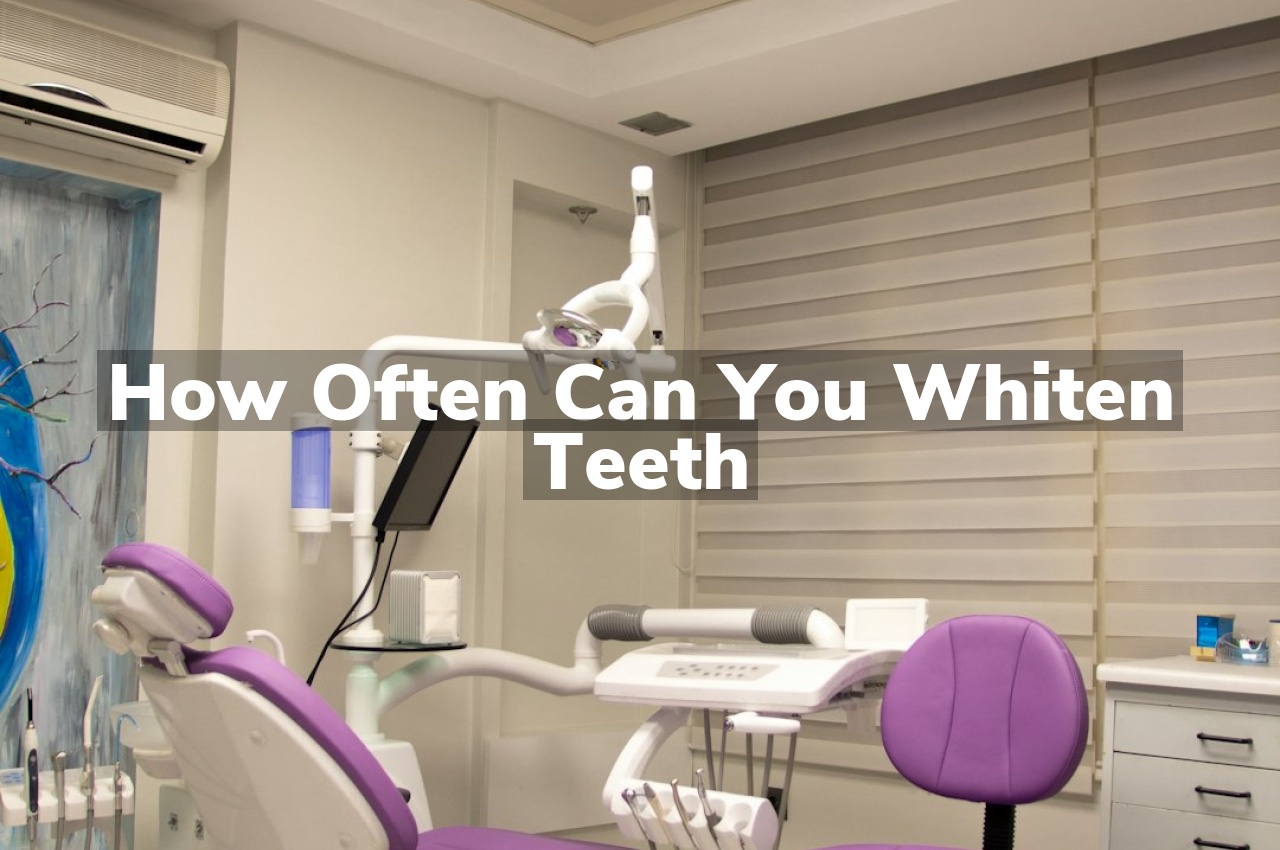
  • How Often Can You Whiten Teeth

    How Often Can You Whiten Teeth

    Wondering how often you can whiten your teeth? The frequency of teeth whitening can vary depending on individual dental health and the method used, but generally, it’s advised to maintain a balance to avoid potential damage to your teeth or gums.

    Professional Whitening Frequency Guidelines

    When considering the frequency of professional teeth whitening, it’s essential to consult with a dental professional who can provide personalized advice based on your oral health and the condition of your teeth. Generally, most dental professionals agree that a safe interval between professional whitening sessions is typically about 12 months. This timeframe helps ensure that your teeth have ample time to recover from the whitening process, minimizing the risk of sensitivity and other potential side effects.

    It’s also important to consider the impact of whitening treatments on tooth enamel. Over-whitening or too frequent treatments can lead to unwanted consequences. For those concerned about the effects of whitening on their enamel, further information can be found in the article, Can Teeth Whitening Damage Enamel. This resource provides insight into how professional whitening procedures interact with your teeth’s natural defenses and offers guidance on maintaining enamel health while achieving a brighter smile.

    Impact of Sensitivity on Whitening Schedule

    When considering how often you can whiten your teeth, it’s crucial to understand the role that sensitivity plays in determining your whitening schedule. Teeth sensitivity varies greatly among individuals and can significantly influence the frequency with which one can safely undergo whitening procedures. For some, heightened sensitivity may necessitate longer intervals between sessions to ensure comfort and maintain oral health. Conversely, those with minimal sensitivity might be able to adhere to a more regular whitening schedule without discomfort. However, it’s important to recognize that over-whitening can lead to increased sensitivity and other dental issues, regardless of one’s initial sensitivity levels.

    Understanding the balance between achieving desired whitening results and managing sensitivity is key. Each individual’s teeth respond differently to whitening treatments, and what works for one person may not be suitable for another. Consulting with dental professionals can provide guidance tailored to your specific needs and circumstances. For those interested in exploring professional whitening services, consider visiting Atlanta Teeth Whitening for more information on how to achieve a brighter smile while taking into account your dental sensitivity.

    Importance of Dental Health Assessment

    Before considering the frequency of teeth whitening, it’s crucial to understand the importance of a dental health assessment. This evaluation by a dental professional is essential as it helps to ensure that your oral health is in optimal condition. A thorough assessment can identify any underlying issues that may affect the suitability or safety of teeth whitening procedures. Ensuring that your teeth and gums are healthy is a fundamental step before undergoing any cosmetic dental treatments.

    Effects of Diet on Whitening Intervals

    Your diet plays a significant role in determining how often you can safely whiten your teeth. Consuming foods and beverages with strong colorants, such as coffee, tea, red wine, and certain fruits, can stain your teeth more quickly, potentially leading to more frequent whitening sessions to maintain your desired level of brightness. On the other hand, a diet that minimizes these types of foods and drinks can help extend the intervals between whitening treatments, allowing you to enjoy a brighter smile for longer periods. It’s important to consider how your eating habits may impact the longevity of your teeth whitening results. For those seeking professional advice on maintaining their dental health and aesthetics, Smile Midtown, an Atlanta Dentist, is available to provide expert guidance.

    Role of Oral Hygiene in Maintenance

    Maintaining optimal oral hygiene plays a crucial role in the longevity and effectiveness of teeth whitening results. Regular and proper care of the mouth is essential in preserving the brightness and health of whitened teeth. This involves a consistent routine that supports the overall well-being of one’s oral environment, thereby potentially extending the intervals between whitening sessions. The relationship between oral hygiene and teeth whitening is significant, as it directly influences the appearance and condition of the teeth over time.

    Conclusion

    For more insights, read reviews on Google Maps or call us at 404-876-7979.

    Kickstart

    April 17, 2024
Next Page→

Smile Midtown Atlanta Dentists

Proudly making smiles brighter in the Atlanta area.

Book An Appointment

Pay Online

Contact

999 Peachtree Street N.E., Suite 715, Atlanta, GA 30309

(404) 876-7979

Services

  • Cosmetic Dentistry

  • Dental Implants

  • Dental Veneers

  • Emergency Dentistry

  • General Dentistry

  • Restorative Dentistry

Hours

Mon: 8 AM–5 PM
Tue: 7:30 AM–4 PM
Wed: 7:30 AM–4 PM
Thu: 7:30 AM–4 PM
Fri: 7:30 AM–4 PM
Sat: Closed
Sun: Closed

© 2025 Smile Midtown Atlanta Dentists. Privacy Policy